Modern Application Development Fundamentals
Published :

Understanding Cloud Services: SaaS, PaaS & More
Cloud computing delivers IT services over the internet without the need to own physical hardware. Users can access storage, platforms, and software on demand. Software as a Service (SaaS) provides ready-to-use applications such as email and productivity tools, managed and updated by the provider. Platform as a Service (PaaS) offers a development environment to build, test, and deploy applications without managing infrastructure. Infrastructure as a Service (IaaS) provides virtualized computing resources like servers and storage. These models enable scalability, collaboration, flexibility, and cost efficiency.

Learn more from these videos:
- ➡️https://www.youtube.com/watch?v=-r4efSMztyI
- ➡️https://www.youtube.com/watch?v=boY2i6qhPr8
- ➡️https://www.youtube.com/watch?v=pidVLkQQom8
Private Cloud, AWS & Azure Explained
A private cloud is a dedicated cloud environment used by a single organization, offering greater control, customization, and security compared to shared public clouds — ideal for sensitive workloads or regulatory compliance. In contrast, public cloud providers like AWS and Microsoft Azure deliver scalable services over the internet with global infrastructure and pay‑as‑you‑go pricing. Both AWS and Azure support hybrid cloud architectures that blend private and public cloud strengths to optimize performance, cost, and compliance.
Learn more from these videos:
Understanding Web App Structure
A web application is built in layers that work together to deliver dynamic experiences online. The front end (UI) contains the visual elements users interact with, typically built with HTML, CSS, and JavaScript. The back end (server side) handles business logic, processes requests, and interacts with data storage. A database stores application data that the server retrieves or updates in response to user actions. This layered architecture ensures clear separation of concerns, scalability, and maintainability for modern web apps.
Dive deeper with these tutorials:
- ➡️Web Application Basics – TryHackMe walkthrough (understanding how web apps work)
- ➡️Web App Architecture Explained – major components & how they interact
Mobile App Basics: Structure & Core Concepts
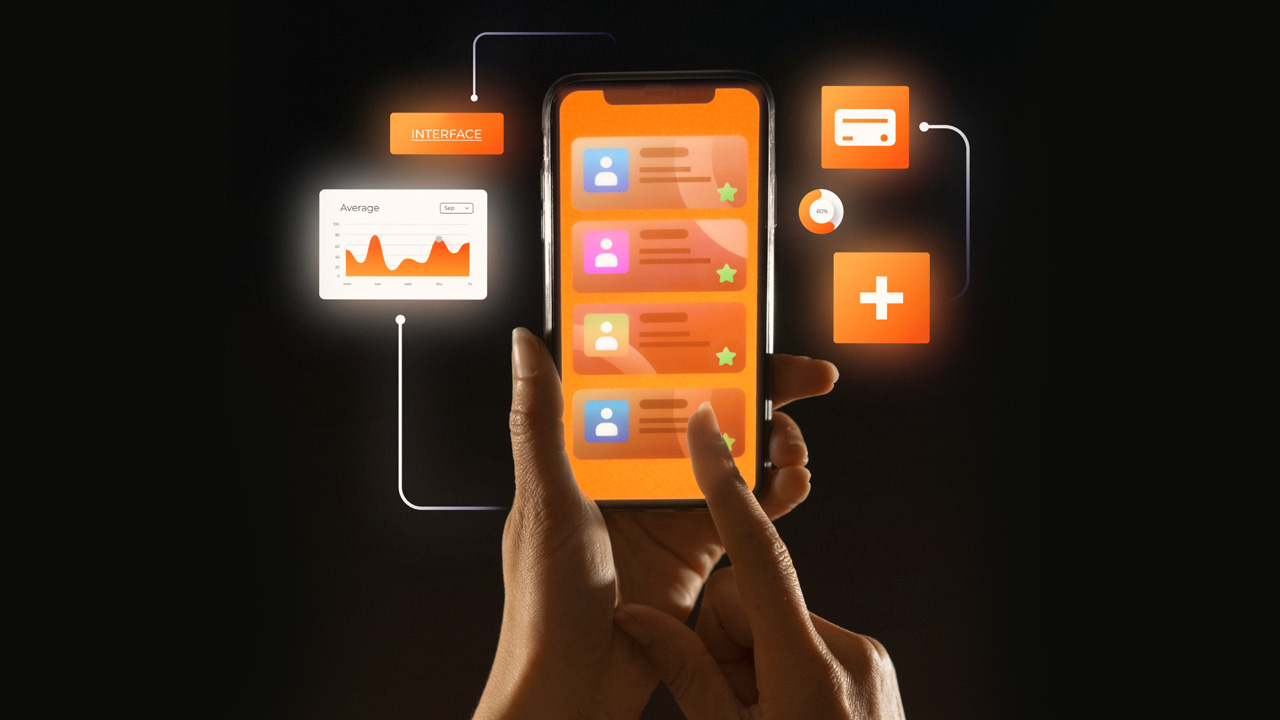
A mobile app consists of distinct layers working together to deliver a seamless user experience. The presentation layer handles what users see and interact with on their devices. Beneath that, the business logic processes actions and rules, while the data layer manages storage and retrieval. Mobile apps depend on APIs and backend services to access cloud data and server functions. Understanding this layered architecture helps in designing scalable and maintainable apps.
Learn more from these tutorials:
- ➡️https://www.youtube.com/watch?v=FjrKMcnKahY
- ➡️Android Architecture Pathway – official learning pathway from Android Developers
How AI Works & Machine Learning Basics
Artificial Intelligence (AI) enables computers to learn from data, recognize patterns, and perform tasks that traditionally require human intelligence. Machine Learning — a core AI subset — trains models on examples so they improve automatically without explicit programming. Tools like AI Copilot use these techniques to assist users by generating content, suggesting actions, and automating workflows with natural language understanding. Together, AI and machine learning power smarter applications across productivity, design, and problem‑solving domains.

Learn more from these tutorials:
- ➡️https://www.youtube.com/watch?v=dx_Ruw8vufI
- ➡️https://www.youtube.com/watch?v=XFmMT58zYVY
- ➡️Microsoft Copilot System Explained – how Copilot systems work
Software Development Life Cycle (SDLC) Basics
The Software Development Life Cycle (SDLC) is a structured process that guides teams from idea to delivery and maintenance of software. Core phases include planning & requirement analysis, design, development (coding), testing, deployment, and maintenance, ensuring high‑quality software that meets user needs and stays reliable over time. SDLC models like Waterfall follow linear stages, while Agile and other iterative models allow flexibility and rapid feedback throughout development.
Explore SDLC in action with these tutorials:
- SDLC Tutorial 1 – Introduction to SDLC
- SDLC Tutorial 2 – SDLC Phases Explained
- SDLC Tutorial 3 – SDLC Models & Examples
- SDLC Tutorial 4 – SDLC in Real Projects
Software Testing — Core Idea & Importance
Software testing is the systematic process of verifying and validating that an application works as intended, is free of bugs, and meets user and technical requirements. It identifies defects early to improve product quality, reduce post‑release failures, and ensure reliability, security, and usability across platforms. Testing includes techniques like manual and automated testing, functional and non‑functional checks, and plays a crucial role in delivering high‑quality software.
Explore foundational tutorials